FunctionalBiochemistry

Understanding what is actually happening inside the body — dynamically, and as an integrated whole.

Functional Biochemistry examines how the body's biochemical processes support or disrupt the actual functions of its tissues and organs — energy production, detoxification, hormone balance and immune response — in a living person, dynamically and as an integrated whole, rather than as static laboratory values.

The Field

What is Functional Biochemistry

In a classic sense, biochemistry is the study of chemical processes in living organisms, including proteins, fats, carbohydrates, nucleic acids, and metabolic pathways. Functional biochemistry takes this a step further by focusing on how these biochemical processes support (or disrupt) the actual functions of tissues and organs in a living person, such as energy production, detoxification, hormone balance, and immune responses.

It is often described as looking at “what is happening inside the body” in a dynamic, integrated way, not just at static lab values.

The concept of Functional Biochemistry was founded by Chris Astill-Smith D.O.

Energy production
How the body makes and sustains energy at the cellular level.
Detoxification
How the body processes and clears what it must eliminate.
Hormone balance
How the body's signalling chemistry stays in proportion.
Immune response
How the body recognises and answers what challenges it.
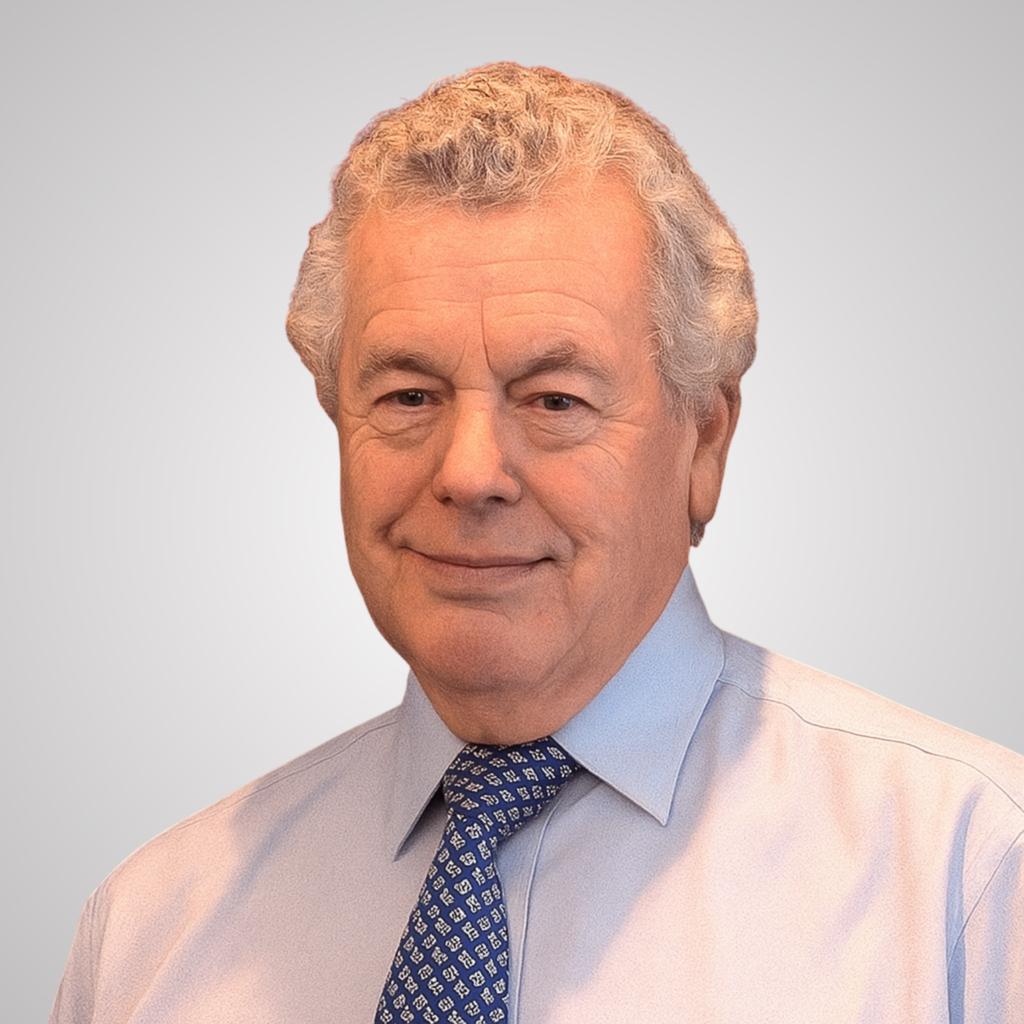
Portrait of Christopher Astill-Smith D.O.
Christopher Astill-Smith D.O.

The Founder

Christopher Astill-Smith

Christopher Astill-Smith graduated from the British School of Osteopathy in 1970. Following his clinical qualification, he spent nearly two decades teaching at the institution, serving as a Lecturer in Nutrition and Dietetics (1973–1980) and in Arthrology and Myology (1981–1989).

In 1988, he attained his Diplomate from the International College of Applied Kinesiology (DIBAK). His clinical work and academic contributions led to his appointment as an Assistant Professor at the Institute for Manual Medicine in Russia in 1992.

For Christopher Astill-Smith, Functional Biochemistry is far more than a clinical discipline — it is a lifelong passion dedicated to unlocking the body's innate intelligence at the cellular level. Driven by an insatiable curiosity about metabolic pathways, methylation, mitochondrial energy, and endocrine balance, he views biochemistry not as a static textbook science, but as a dynamic, living language that bridges structural osteopathy with cellular vitality.

His current focus is entirely devoted to advancing this field: distilling five decades of clinical breakthroughs into actionable diagnostic frameworks, mentoring the next generation of practitioners, and empowering healthcare professionals worldwide to look past surface symptoms and master the precise biochemical cascades that drive genuine healing.

Career

A working life in practice and teaching

  1. Graduates from the British School of Osteopathy

  2. Lecturer in Nutrition and Dietetics, British School of Osteopathy

  3. Lecturer in Arthrology and Myology, British School of Osteopathy

  4. Diplomate, International College of Applied Kinesiology

  5. Assistant Professor, Institute for Manual Medicine, Russia

  6. Today

    Founder of Functional Biochemistry; mentoring practitioners worldwide

The Mission

To bridge the gap between structural integrity and cellular physiology by empowering healthcare practitioners with the diagnostic precision, biochemical literacy, and clinical confidence needed to resolve root-cause dysfunction and restore true vitality.

Core Philosophy

Four principles

Biochemistry is Dynamic, Not Static

Human physiology is not an isolated set of textbook diagrams; it is an interconnected, responsive network. When we look at methylation, neurotransmitter synthesis, or mitochondrial output, we are observing a living system constantly adapting to its environment, nutrition, and toxic load.

Structure Governs Function; Biochemistry Fuels Both

Rooted in classic osteopathic principles, our approach recognizes that mechanical alignment and metabolic pathways are inseparable. Neurological signaling and tissue repair depend entirely on the biochemical substrates available at the cellular level.

Precision Over Polypharmacy

Modern healthcare frequently suppresses downstream symptoms rather than addressing upstream bottlenecks. Functional Biochemistry focuses on identifying the specific enzymatic blockages, nutrient co-factor deficiencies, and bio-energetic disruptions unique to each individual.

Honoring Innate Healing

The human body possesses an extraordinary capacity for self-regulation and repair. Our role as practitioners is not to force an artificial outcome, but to remove metabolic interference and provide the exact physiological building blocks required for the body to heal itself.

Get in touch

Enquiries

For enquiries regarding Functional Biochemistry, lecturing, or professional correspondence.

Or write directly — chris@functional-biochemistry.com

The information on this website is educational in nature and is not intended as medical advice, diagnosis, or treatment. Always consult a qualified healthcare professional regarding any medical condition.